
Lau, Corinna
Researcher

Bodø
Education: MSc, PhD
E-mail: Corinna.Lau[at]nordlandssykehuset.no
Focus: Cellular-dependent innate immune responses; flow cytometry, cell biology, and antibody production.
Bio
Corinna is a molecular biologist with a diploma degree in human biology (Ernst-Moritz-Arndt university, Greifswald, Germany; 2002), and a PhD in molecular biology (University of Bergen, Norway; 2008) focusing on energy metabolism and cellular biology. She has been associated with the Norwegian Complement Research Group since 2010, first as a postdoc and later as researcher at the Nordland Hospital in Bodø.
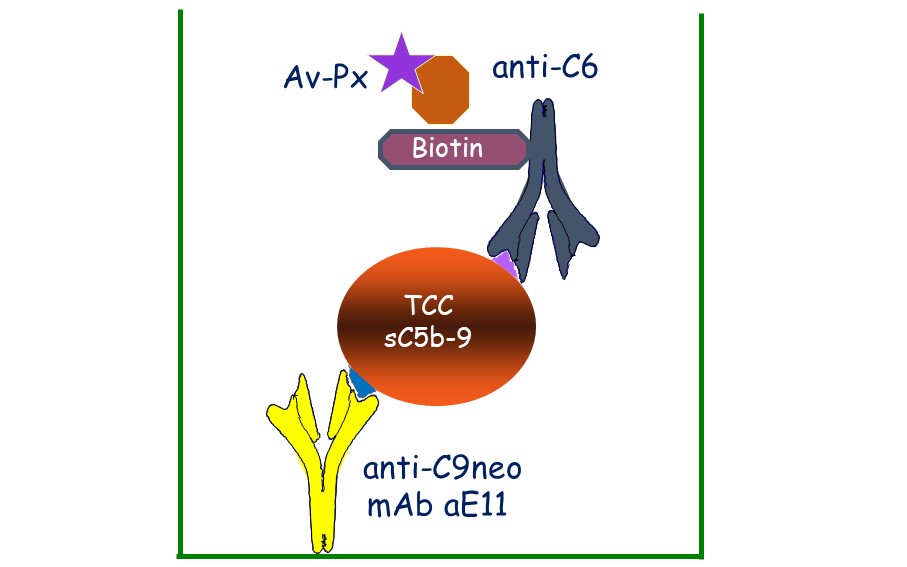
Corinna’s main areas are cellular biology and protein biochemistry, with major interests in the techniques of cell culture and flow cytometry. Here, she is available to support the research of other members of the NCRG. Corinna has also the responsibility of providing the group with some of the key in-house antibodies used in the group’s research and routine analyses.
Research:
Title: Characterizing distinct and crosstalk mechanisms that define the very early cellular-dependent innate immune response upon complement and CD14 activation.
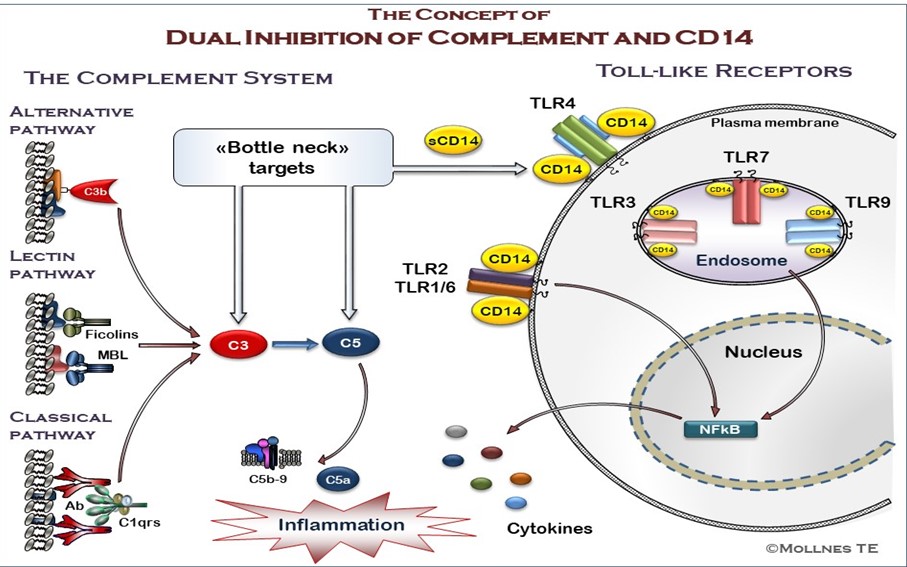
The complement system and Toll-like receptors, with co-receptor CD14, are first line pattern recognition molecules (PRMs) in systemic and local innate immune responses towards danger associated molecular patterns (DAMPs), through both distinct and crosstalk mechanisms. If timed correctly, their simultaneous blockade reduces the inflammatory response immensely, potentially saving the host from life threatening systemic failure like in sepsis or trauma.
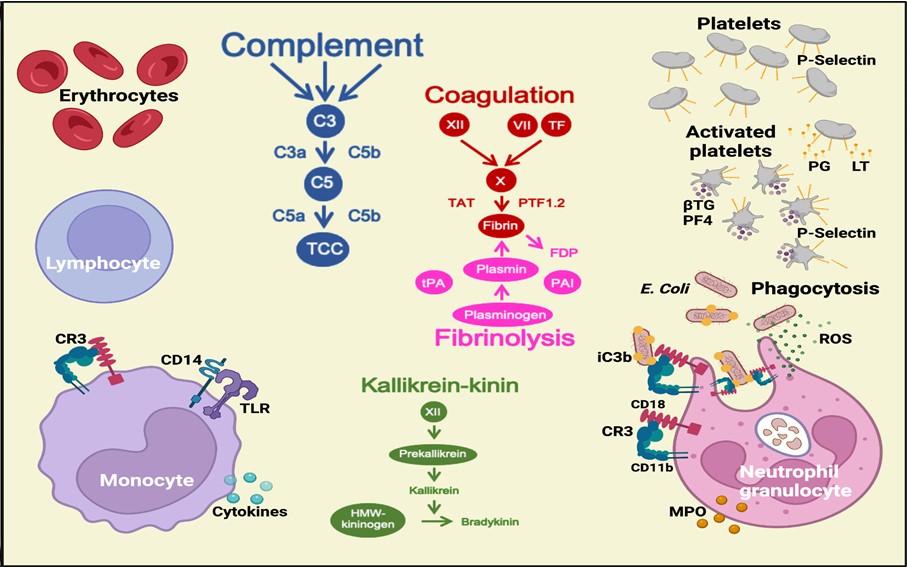
The project aims at characterizing differential and synergistic mechanisms that define the very early cellular-dependent innate immune response upon complement and CD14 activation upon systemic inflammation using an ex vivo whole blood model, with or without pharmacological inhibition of first line PRMs or signal transducers.
Key analyses are multicolor and intracellular flow cytometry for the evaluation of protein and mRNA expression or posttranslational modification on a single cell level. Also, we use different magnetic bead-based cell depletion and enrichment approaches for studying cell-type specific contributions to the whole blood response, or more homogenous cell populations.